Aircrew Parachute Harness/Pack – Vulcan & Victor Crew Seats: Aviation Harness and Pack System
Aircrew Parachute Harness/Pack – Vulcan & Victor Crew Seats: Aviation Harness and Pack System
Blog Article
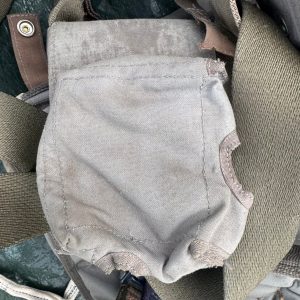
The Aircrew Parachute Harness/Pack – Vulcan & Victor Crew Seats is a specialized military aviation component associated with compatible aircrew seating and emergency equipment configurations.
The Aviation Parachute Harness supports secure attachment within an emergency system, while the Pilot Parachute Harness should be evaluated for webbing condition, hardware integrity, adjustment, size, and compatibility.
Every Aircraft Emergency Parachute Harness, Aircrew Safety Harness, Flight Crew Parachute Harness, Emergency Parachute Harness, or Military Aircrew Harness requires individual inspection because age, storage, wear, and modification can affect condition.
An Aviation Emergency Escape Harness may include webbing, fittings, attachment points, adjustment hardware, container-related components, and seat-interface features depending on the exact design.
The Flight Parachute Harness should remain matched with the correct parachute pack, seat arrangement, attachment hardware, and operating system.
Overview of the Military Aircrew Parachute Assembly
A visually similar military parachute harness may not belong to the same aircraft, seat, or operating configuration.
Unknown parts should be described honestly instead of assigned check here an unsupported function.
Parachute Harness Webbing and Hardware
An Aviation Parachute Harness typically relies on load-bearing webbing, reinforced stitching, metal fittings, adjustment hardware, attachment points, and configuration-specific connections.
Qualified evaluation is essential before any safety-related classification is assigned to the Aviation Parachute Harness.
Military Aircrew Harness Adjustment
A Pilot Parachute Harness should correspond with the wearer, clothing, seat arrangement, parachute pack, attachment system, and intended operating configuration.
Missing keepers, retainers, pads, straps, or adjustment pieces can affect completeness and appearance.
Emergency Harness System Integration
The harness alone does not establish the condition or completeness of the complete emergency system.
The relationship between each fitting and its surrounding webbing should remain visible for inspection.
Military Aircrew Safety Components
Military aircrew equipment can vary significantly between aircraft types, crew stations, and service periods.
Historic harnesses should be stored away from direct sunlight, moisture, pests, chemicals, sharp objects, heat, and uncontrolled handling.
Flight Crew Parachute Harness Condition
The listing should note webbing color, flexibility, staining, fraying, stitching, hardware condition, labels, odor, storage marks, repairs, and missing parts.
Any known aircraft history, crew-seat association, unit provenance, or acquisition records should be presented carefully and supported when possible.
Inspecting an Emergency Parachute Harness
Every strap should be followed from end to end while checking webbing, stitching, folds, attachment areas, fittings, and labels.
Leather or rubber components may harden, shrink, crack, or become brittle during storage.
Military Aircrew Harness Heritage
Incomplete items can still provide useful reference, restoration, or educational value.
Museums and display builders may use the harness/pack to complete a crew-seat installation, cockpit exhibit, training display, or aviation-history presentation.
Aviation Emergency Escape Harness System
Seat design, parachute pack, harness connections, release mechanisms, crew procedures, aircraft configuration, and survival equipment may all interact.
Incorrect assembly for display can damage components or create a misleading configuration.
Military Parachute Pack Components
A pack exterior does not prove that a canopy, pilot chute, deployment components, or internal equipment remain present.
Loose components should be photographed, labeled, and packaged separately so they are not lost or mistaken for unrelated hardware.
Aircraft Crew Safety Equipment
Transparent classification protects buyers and preserves historical context.
Aggressive washing, chemical treatment, polishing, repainting, or hardware replacement can reduce originality and damage materials.
Choosing Aircrew Survival Components
Aircrew Emergency Equipment reflects the operational requirements, aircraft technology, crew roles, and safety practices of its service period.
The product listing should identify whether the item is original, restored, repaired, modified, reproduction, mixed-component, or unverified.
Military Pilot Escape Equipment
Historic parachute equipment may have exceeded original service intervals or contain materials affected by age and storage.
When internal contents are unknown, the listing should state that clearly.
Preserving an Aviation Harness Assembly
Reversible display methods protect authenticity and long-term value.
Interpretive labels should distinguish verified facts from uncertain history.
Evaluating Parachute Harness Value
An operational buyer requires entirely different inspection, certification, and system-compatibility considerations.
Original storage bags, manuals, inspection cards, or photographs can increase collector interest.
Aircraft Parachute Equipment Compatibility
A harness associated with one Vulcan or Victor seat position may differ from equipment used by another crew member.
Any uncertain connection should remain unforced and documented.
Inspecting the Aircrew Parachute Harness/Pack
The seller should disclose cut straps, missing fittings, corrosion, mildew, staining, odors, repairs, modifications, opened packs, and unknown internal contents.
- Resolve identity, provenance, configuration, and package-completeness questions before payment.
- Check metal hardware for corrosion, pitting, cracks, bending, sharp edges, seized movement, plating loss, and mismatched parts.
- Report shipping damage, missing parts, undocumented repairs, label differences, or undisclosed contamination promptly.
Long-Term Harness and Pack Care
The harness and pack should be stored in a clean, dry, stable environment with moderate temperature, controlled humidity, limited light, and protection from pests.
The item should be inspected periodically for corrosion growth, mildew, pest activity, staining, webbing changes, odor, hardware movement, and storage damage.
Military Aviation Museum Display
Padded ties, archival supports, or reversible brackets may help maintain the display while avoiding permanent alteration.
Professional presentation improves educational value without compromising authenticity.
Aircrew Harness Condition Monitoring
Maintenance of historic aircrew parachute equipment should prioritize preservation, documentation, gentle handling, and prevention of further deterioration.
Repairs intended for display should remain reversible and clearly documented.
Aircrew Parachute Harness Conclusion
When carefully inspected, stored, documented, conserved, and displayed, the Aircrew Parachute Harness/Pack – Vulcan & Victor Crew Seats can remain a valuable military aviation artifact.
Careful technical, historical, and commercial evaluation can reduce authenticity concerns, condition surprises, missing-component costs, and unsuitable-use assumptions.
Whether the requirement is an Aviation Parachute Harness, Pilot Parachute Harness, Aircraft Emergency Parachute Harness, or Aircrew Safety Harness, individual condition assessment should guide the purchase.
With verified provenance, careful inspection, protected storage, reversible display methods, organized documentation, and responsible conservation, the harness/pack can provide lasting historical value.
Report this page